
Heart Health
Ubiquinol for Hearth Health
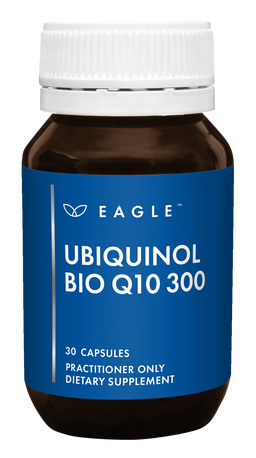
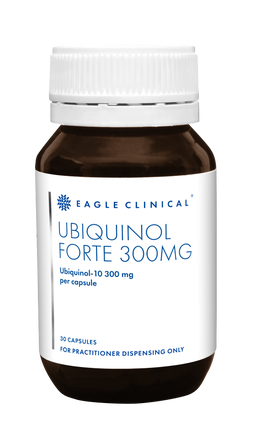
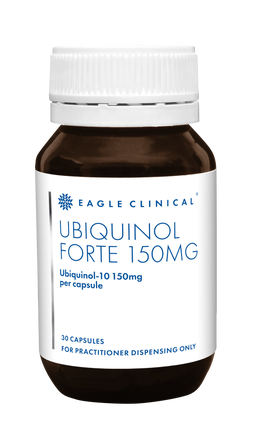
Ubiquinol supports cardiovascular health. The heart is one of the most energy intensive organs in the body, needing energy to continually pump. Ubiquinol is a key component required for cellular ATP energy production, the body’s primary fuel.1,2
This fuel is used for three basic yet critical heart functions:
Contraction – to keep the heart pumping consistently Relaxation – to allow the heart to rest between beats
Relaxation – to allow the heart to rest between
Molecular Synthesis – to maintain the heart’s structure by building important cellular components
Ubiquinol is a powerful lipid-soluble antioxidant, reducing free radical damage to the body’s cells, supporting overall health and wellbeing.2,3
Ubiquinol helps in the maintenance of healthy blood lipids
Ubiquinol acts as an antioxidant and helps support healthy cholesterol and blood vessels.4-6
The Australian Heart Foundation reports that 42 percent of Australians have high total cholesterol (levels higher than 5.5 mmol/L) – quite a significant number.7
Australia is one of the highest consumers of cholesterol-lowering medications in the developed world.8
Ubiquinol supplementation helps to maintain healthy blood levels in the body when taking certain medications.9
- San-Millán I. Antioxidants (Basel). 2023;12(4):782.
- Cirilli I, et al. Antioxidants (Basel) 2021;10(1325):1-24.
- Cervellati, R & Greco, E. Helvetica Chimica Acta. 2016;99:41-45.
- Sabbatinelli J, et al. Nutrients. 2020;12(4):1098. Funded by Università Politecnica delle Marche and IRCCS INRCA National Institute.
- Patiño-Cardona S, et al. J Cardiovasc Dev Dis 2024;11(12):377.
- Liu Z, et al. J Clin Endocrinol Metab 2022;108(1):232-249.
- National Heart Foundation of Australia. 2024. Key statistics: Risk Factors for cardiovascular disease [Internet]. Available from: https://www.heartfoundation.org.au/your-heart/evidence-and-statistics/key-statistics-risk-factors-for-heart-disease
- OECD. Health at a Glance 2025: OECD Indicators. OECD Publishing [Internet]. Available from: https://www.oecd.org/en/publications/health-at-a-glance-2025_8f9e3f98-en/full-report/pharmaceutical-consumption_cd4ca729.html#figure-d1e37177-d07f73be91
- Zlatohlavek L, et al. Neuro Endocrinol Lett 2012;33:98-101.