

Olympian Eloise Wellings on Ubiquinol, Energy and Peak Performance
Two-time Olympian Eloise Wellings shares how Ubiquinol supports her training, recovery and energy.
Two-time Olympian Eloise Wellings shares how Ubiquinol supports her training, recovery and energy.
Ubiquinol reduces oxidative stress and prevents CoQ10 depletion post-exercise, but shows no significant impact on performance or muscle damage.
Ubiquinol reduces oxidative stress, DNA damage, and lipid peroxidation during strenuous exercise, aiding recovery and vascular health in trained individuals.
Ubiquinol improves peak power output in trained athletes, offering performance gains beyond training alone during high-demand competitive preparation.
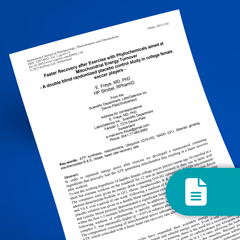
Phytochemical supplementation including coenzyme Q10 improved post-exercise recovery and fatigue resistance in female athletes by enhancing mitochondrial energy turnover.
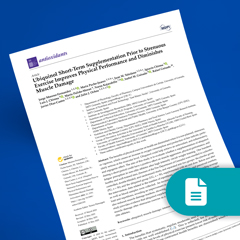
Short-term ubiquinol use boosted muscle strength and protected against exercise-induced muscle damage in healthy, physically active men.
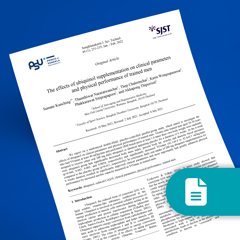
Six-week ubiquinol supplementation improved aerobic capacity and cardiovascular markers in trained men, indicating enhanced endurance and health parameters.
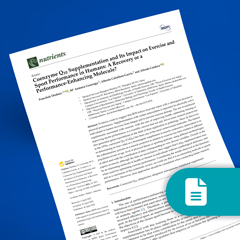
Coenzyme Q10 may enhance recovery and reduce oxidative stress, though its impact on performance remains inconsistent across studies.
Ubiquinol lowered enzyme markers of tissue damage and reduced perceived fatigue in distance runners during intensive summer training.
Ubiquinol lowered enzyme markers of tissue damage and reduced perceived fatigue in distance runners during intensive summer training.
Ubiquinol enhances bone turnover markers and energy metabolism during high-intensity exercise, potentially supporting muscular performance and recovery.
Higher plasma CoQ10 levels linked to lower muscle damage, improved kidney function, and better performance in elite soccer players.