
Male & Female Reproductive Health
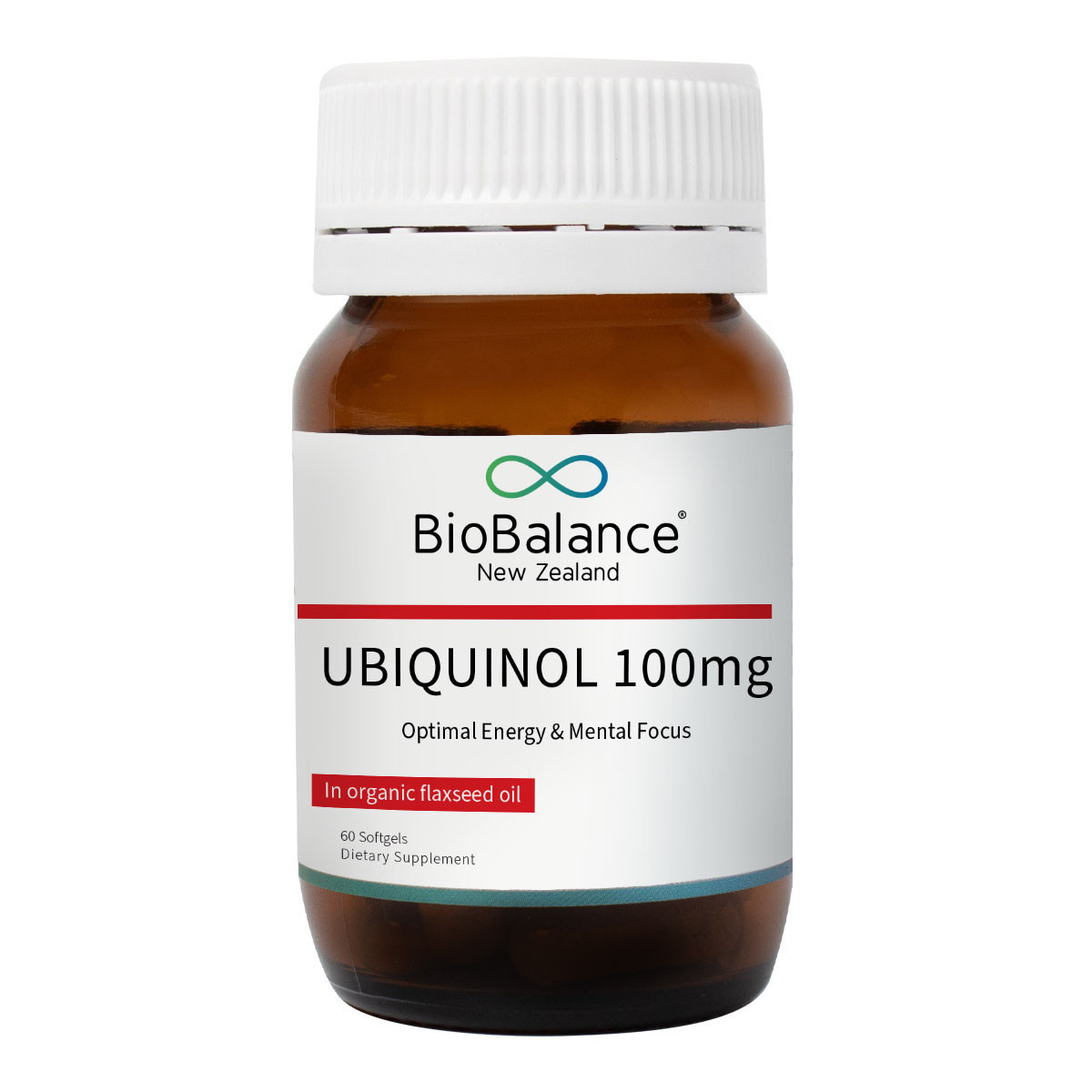
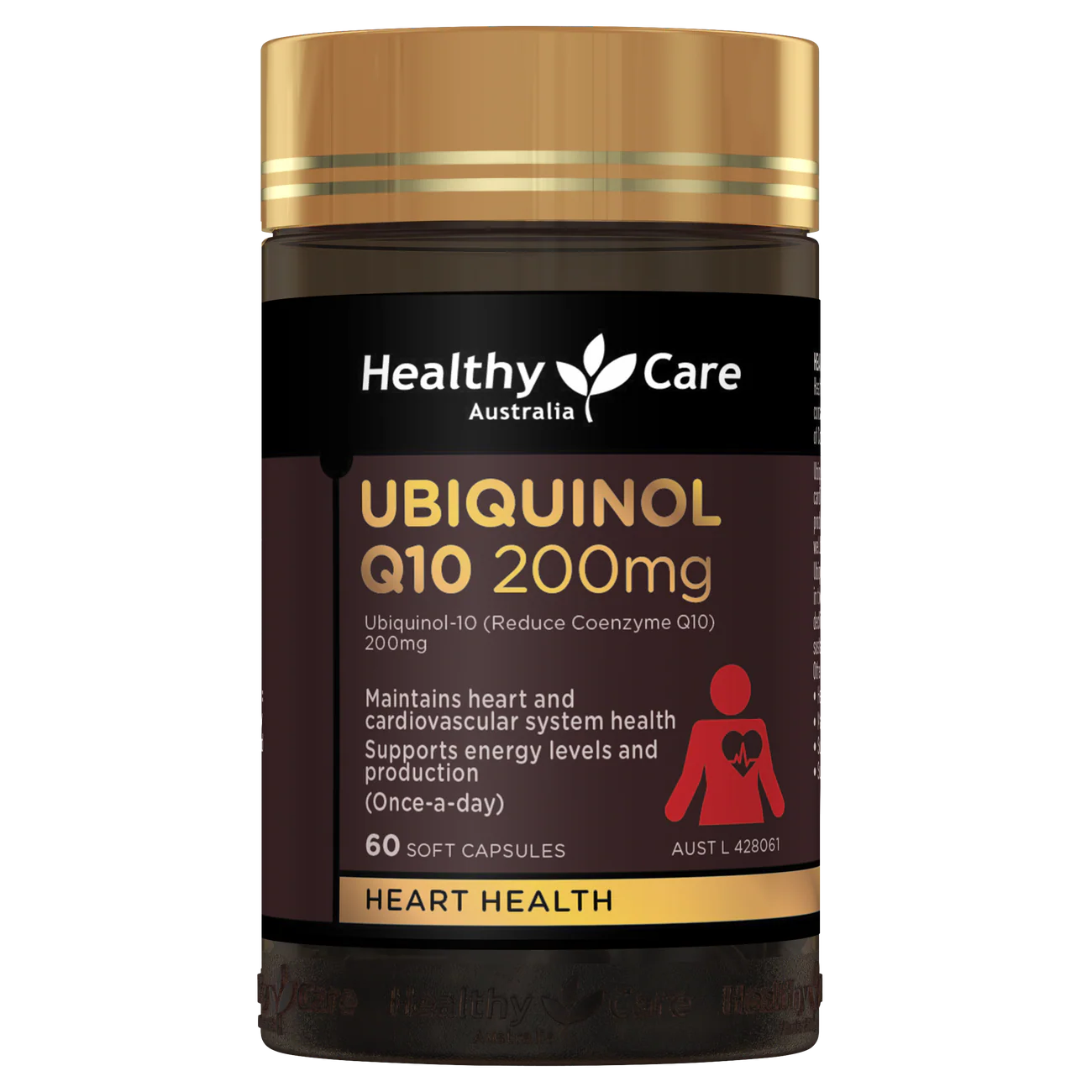
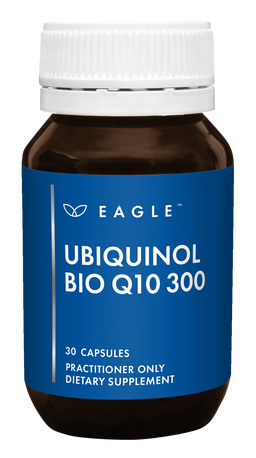
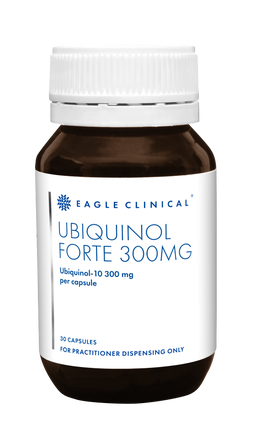
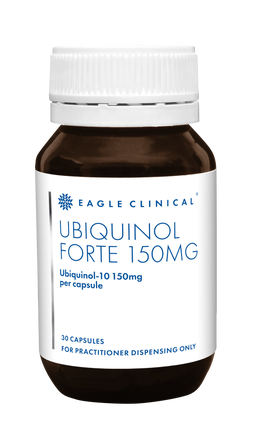
Ubiquinol maintains energy production and acts as a potent antioxidant, supporting sperm health, production, motility and female reproductive health.1-9
Ubiquinol is a bioactive, bioavailable form or coenzyme Q10 (CoQ10). It is the only fat-soluble antioxidant naturally produced in the body and helps reduce free radical damage to our body cells.1
Ubiquinol supports cellular energy as a key component in the production of adenosine triphosphate (ATP) in the mitochondria, present in almost all cells in the human body including the female egg and male sperm. The female egg contains a large number of mitochondria, approximately 100,000, compared to 1000-2500 in a typical cell, highlighting its high energy needs.1
As part of the natural ageing process, our body’s production of ubiquinol starts to decline from our 20s.10 Ubiquinol supplementation may help maintain levels in the body, particularly as we age.1
The Science – Ubiquinol and male reproductive health
Ubiquinol is important in maintaining the health, motility and production of sperm2-5
Ubiquinol is one of the most potent antioxidants our body produces and helps reduce oxidative damage by free radicals and ROS (reactive oxygen species).1
Ubiquinol plays an important role in mitochondrial ATP energy production. Sperm cell mitochondria have high concentrations of Ubiquinol.
Healthy sperm production and motility have been associated with healthy ubiquinol levels.1,11-13
- Derbyshire EJ, et al. Nutrients. 2026;18(1):156. Author commissioned by Kaneka Corporation.
- Alahmar AT. Clin Exp Reprod Med. 2022;49(4):277-284.
- Alahmar AT. Clin Exp Reprod Med. 2019;46(3):112-118.
- Thakur AS, et al. J Clin Diagn Res. 2015;9(9):BC01-3.
- Safarinejad MR. J Urol. 2009;182(1):237-48.
- Lin G, et al. Ann Med. 2024;56(1):2389469. Funded by the Shanghai Science and Technology Commission.
- Thakur AS, et al. Indian J Clin Biochem. 2016 Jul;31(3):342-8.
- Wu CC, et al. Nutrients. 2024;16(10):1470.
- Ammar, IMM et al. Middle East Fertil Soc J. 2021;26:22.
- Kalén A, et al. Lipids 1989;24(7):579-584.
- Sumbalová Z, et al. Int J Mol Sci. 2024;26(1):268
- Salvio G, et al. Antioxidants (Basel). 2021;10(6):874.
- Nadjarzadeh A, et al. Andrologia. 2014;46(2):177-83.