
The Effects of Oral Intake of Reduced Coenzyme Q10 (Ubiquinol) on Skin Conditions in Healthy Japanese Women
Oral ubiquinol enhanced skin moisture and cell quality, demonstrating visible anti-ageing effects in healthy women.
Oral ubiquinol enhanced skin moisture and cell quality, demonstrating visible anti-ageing effects in healthy women.
Regular Ubiquinol intake improved stress markers and work engagement in nurses, indicating benefits for workplace stress management.
Ubiquinol improved menopausal symptoms, mood, skin condition, and overall wellbeing compared to controls over a 3-month period.
Year of Publication: 2022 Journal: Frontiers in Pharmacology Authors: Tsai IC, et al. Type of Study: Systematic review and meta-analysis
Year of Publication: 2024 Journal: Applied Sciences Authors: Ota M, et al. Type of Study: Double-blind, randomised controlled crossover pilot
Ubiquinol intake reduced fatigue and improved recovery post-cognition in healthy individuals, especially with higher doses improving oxidative stress markers.
Ubiquinol reduced menstrual symptoms and improved sleep quality, showing strong benefits for women over 36 years of age.
The study showed that Ubiquinol significantly improved stress and sleep quality in individuals with high baseline stress levels.
Coenzyme Q10 and other nutrients may help prevent migraines by addressing mitochondrial dysfunction and oxidative stress pathways.
Ubiquinol reversed senescence phenotype more effectively than ubiquinone; improved mitochondrial function and oxidative status.
Supplementation wit coenzyme Q10 may alleviate ageing symptoms and improve cardiovascular and inflammatory health via mitochondrial and antioxidant effects.
Ubiquinol-10 supplementation showed beneficial effects on autonomic and cognitive symptoms in chronic fatigue syndrome patients.
CoQ10, particularly ubiquinol, shows strong benefits in cardiovascular and fertility health; absorption remains a limiting factor.
Symptom improvement observed in Parkinson’s patients with wearing-off; ubiquinol-10 demonstrated a favourable safety and tolerability profile.
High-dose CoQ10 may improve mitochondrial and cardiovascular health, though bioavailability and long-term effects require further research.
Plasma Coenzyme Q10 levels were significantly associated with cognitive and executive function in older adults, even after controlling variables.
CoQ10 reduces oxidative stress and inflammation, potentially improving cardiovascular health and mitochondrial function in age-related diseases.
Systematic review showed mixed results on CoenzymeQ10’s effect on dementia.
Ubiquinol improved cognitive function, in healthy middle- aged and elderly individuals with significant gains in attentiveness and task performance.
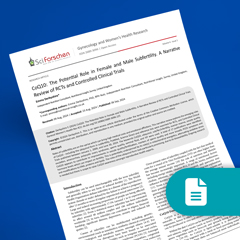
Ubiquinol Coenzyme Q10 shows potential to improve fertility markers in men and women by enhancing mitochondrial health and hormone balance.
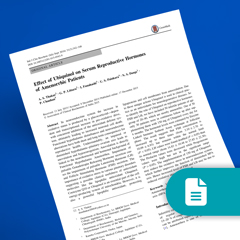
Ubiquinol enhanced FSH and LH levels in amenorrheic women, suggesting improved neuroendocrine regulation and ovarian function.
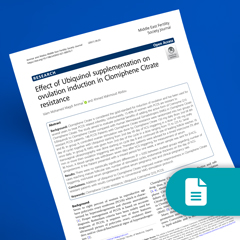
Ubiquinol with Clomiphene improved follicular development and ovulation in PCOS women resistant to Clomiphene Citrate.
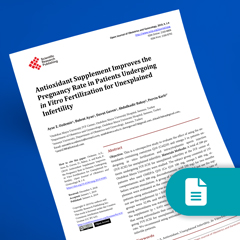
Coenzyme Q10 and omega-3 supplementation significantly improved IVF pregnancy rates and reduced hormone use in unexplained infertility cases.
Ubiquinol improved sperm density, motility, and morphology in infertile men, showing sustained effects post-treatment.
This meta-analysis shows CoQ10 at 100–200 mg/day reduces systolic blood pressure, especially in diabetes, dyslipidemia, and longer-duration trials.
Six months of Ubiquinol improved sperm count, motility, morphology, and testosterone levels in men with oligoasthenozoospermia.
This paper discusses the potential of combining ubiquinol with statins in heart failure patients to address muscle injury and energy loss.
This observational study shows improvement in cardiac function after statin withdrawal and ubiquinol supplementation in statin-associated cardiomyopathy patients.
This study is an in vitro investigation showing how ubiquinol reverses simvastatin-induced mitochondrial dysfunction, restoring ATP and cell viability.
Year of Publication: 2012 Journal: Neuro Endocrinol Lett Authors: Zlatohlavek L, Hutyra M, Braun M, Oravec S, Albahari P Type
This paper reviews the role of ubiquinol as adjunct therapy in heart failure, emphasising absorption, bioavailability, and improved heart function
This review suggests ubiquinol could enhance energy metabolism in diastolic heart failure and calls for further controlled clinical trials.
This study is a pilot RCT showing ubiquinol significantly improves endothelial function in patients with heart failure with reduced ejection fraction.
This observational study links higher ubiquinol levels to lower NT-proBNP, suggesting a protective cardiovascular role in healthy elderly individuals.
This clinical trial demonstrates the effect of ubiquinol in reducing angina frequency and dyspnea, improving quality of life in ACS patients.
This review outlines Coenzyme Q10’s cardiovascular benefits, highlighting its role in reducing oxidative stress, improving endothelial function, and supporting heart health.
This RCT studied improvements in cardiac function or NT-proBNP after 4 months of CoQ10 in elderly HFpEF patients.
This RCT in HFpEF patients to study the benefits from CoQ10 supplementation in diastolic function or NT-proBNP levels.
Ubiquinol reduces oxidative stress and prevents CoQ10 depletion post-exercise, but shows no significant impact on performance or muscle damage.
Ubiquinol reduces oxidative stress, DNA damage, and lipid peroxidation during strenuous exercise, aiding recovery and vascular health in trained individuals.
Ubiquinol improves peak power output in trained athletes, offering performance gains beyond training alone during high-demand competitive preparation.
Phytochemical supplementation including coenzyme Q10 improved post-exercise recovery and fatigue resistance in female athletes by enhancing mitochondrial energy turnover.
Short-term ubiquinol use boosted muscle strength and protected against exercise-induced muscle damage in healthy, physically active men.
Six-week ubiquinol supplementation improved aerobic capacity and cardiovascular markers in trained men, indicating enhanced endurance and health parameters.
Coenzyme Q10 may enhance recovery and reduce oxidative stress, though its impact on performance remains inconsistent across studies.
Ubiquinol lowered enzyme markers of tissue damage and reduced perceived fatigue in distance runners during intensive summer training.
Ubiquinol lowered enzyme markers of tissue damage and reduced perceived fatigue in distance runners during intensive summer training.
Ubiquinol enhances bone turnover markers and energy metabolism during high-intensity exercise, potentially supporting muscular performance and recovery.
Higher plasma CoQ10 levels linked to lower muscle damage, improved kidney function, and better performance in elite soccer players.
Coenzyme Q10 supports mitochondrial function, modulates inflammation, and may aid metabolic syndrome symptoms such as obesity and hypertension.