
Mitochondrial and Metabolic Dysfunction in Ageing and Age-Related Diseases
Mitochondrial dysfunction is central to ageing and disease; improving mitochondrial health may extend lifespan and prevent degenerative conditions.
Mitochondrial dysfunction is central to ageing and disease; improving mitochondrial health may extend lifespan and prevent degenerative conditions.
Mitochondrial health is vital in preventing chronic diseases; physical activity is the only proven way to enhance mitochondrial function.
Mitochondria influence nearly all cellular processes, linking energy metabolism, disease progression, and ageing through dynamic signalling and structural adaptation
Ubiquinol reduces oxidative stress and prothrombotic markers in antiphospholipid syndrome, showing promise as adjunct therapy.
Ubiquinol improves redox status and may lower inflammation markers like CRP in individuals with low baseline CoQ10 levels.
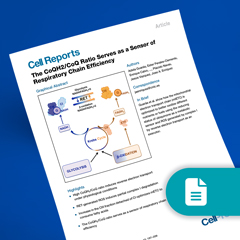
The CoQH₂/CoQ redox ratio regulates mitochondrial respiratory efficiency, adapting energy metabolism to nutrient and stress conditions.
Ubiquinol-10 effectively restores mitochondrial function and reduces brain pathology in a CoQ-deficient mouse model of encephalopathy.
A clinical trial showing how ubiquinol enhances endothelial function in dyslipidemic patients by boosting nitric oxide and antioxidant response.
This comprehensive review outlines clinical benefits of Coenzyme Q10 in heart failure, focusing on improved prognosis, dosage, and long-term outcomes.
This observational study links higher ubiquinol levels to lower NT-proBNP, suggesting a protective cardiovascular role in healthy elderly individuals.
Ubiquinol enhanced sperm motility and morphology in subfertile men with idiopathic infertility and normal sperm concentration.
Coenzyme Q10 improved sperm quality, antioxidant status, and predicted pregnancy outcomes in men with idiopathic oligoasthenospermia.
Ubiquinol-antioxidant blend improved sperm density, antioxidant status, and led to pregnancies in partners of treated infertile men.
Coenzyme Q10 significantly improved sperm motility and concentration, though not pregnancy rates, in idiopathic male infertility meta-analysis.
Ubiquinol-based supplementation improved ovarian metabolism and oocyte quality via FDX1 activation in women with aging ovaries.
Low Coenzyme Q10 levels were linked to increased risk of premature ovarian insufficiency in this case–control study.
Highlights how mitochondrial dysfunction and oxidative stress drive ovarian aging, with interventions targeting these pathways offering future fertility potential.
Coenzyme Q10 pretreatment improved ovarian response, embryo quality, and reduced IVF cycle cancellations in women with diminished ovarian reserve.
Coenzyme Q10 may enhance oocyte mitochondrial function,
Coenzyme Q10 improved sperm parameters and antioxidant status in a dose-dependent manner in men with idiopathic infertility.